
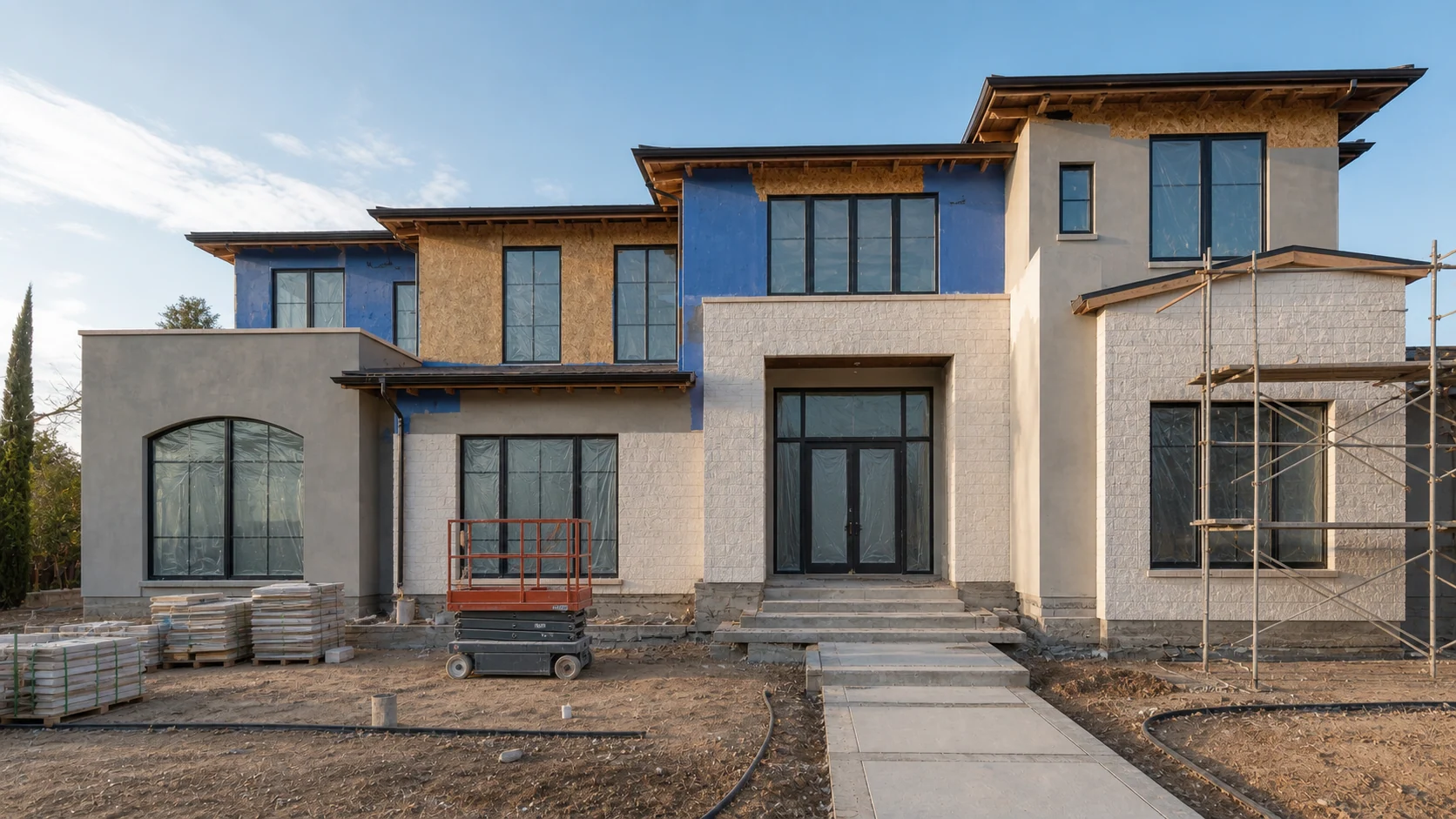
Join before the permit set becomes a procurement set
A general contractor does not need to direct the architecture, but early construction input can reveal access constraints, structural interfaces, long-lead items, trade sequencing, temporary conditions, and details that are difficult to price or build as drawn.
The useful moment is usually during design development—after the project has enough definition to evaluate, but before every decision is expensive to revise.
Give the builder questions to answer
Early involvement should produce more than a preliminary number. Ask for a scope map, constructability observations, decision schedule, procurement register, site-logistics approach, allowances and exclusions, and a list of information needed from the design team.
This keeps estimating connected to the actual construction path instead of treating cost as a separate spreadsheet exercise.
Preserve independent professional responsibility
Architects and licensed engineers remain responsible for their professional design work. The general contractor coordinates constructability, trade input, procurement, sequencing, and field execution against the approved documents.
A strong team respects those boundaries while making the interfaces visible early enough to solve them deliberately.