
Establish what is approved before designing a cure
Collect permit history, certificates of occupancy, approved plans, assessor information, prior notices, leases, surveys, and any records from previous owners. Compare those documents with a measured survey of the actual building rather than assuming that age or long-term use made the work legal.
Identify differences in area, unit count, room use, exits, openings, structural elements, plumbing, electrical, mechanical systems, parking, and site conditions. The issuing department and property-specific record determine which discrepancies matter.
Test whether the existing work can be approved
An architect or engineer may need to evaluate planning constraints, zoning, building and residential codes, fire and life safety, accessibility, energy requirements, structural capacity, utilities, and required setbacks. Existing construction may need to meet standards different from those in effect when it was built, depending on the approved path.
Not every addition, conversion, or altered unit can be legalized as constructed. The viable solution may require redesign, partial removal, restoration to an approved use, or another entitlement process.
Plan for concealed conditions
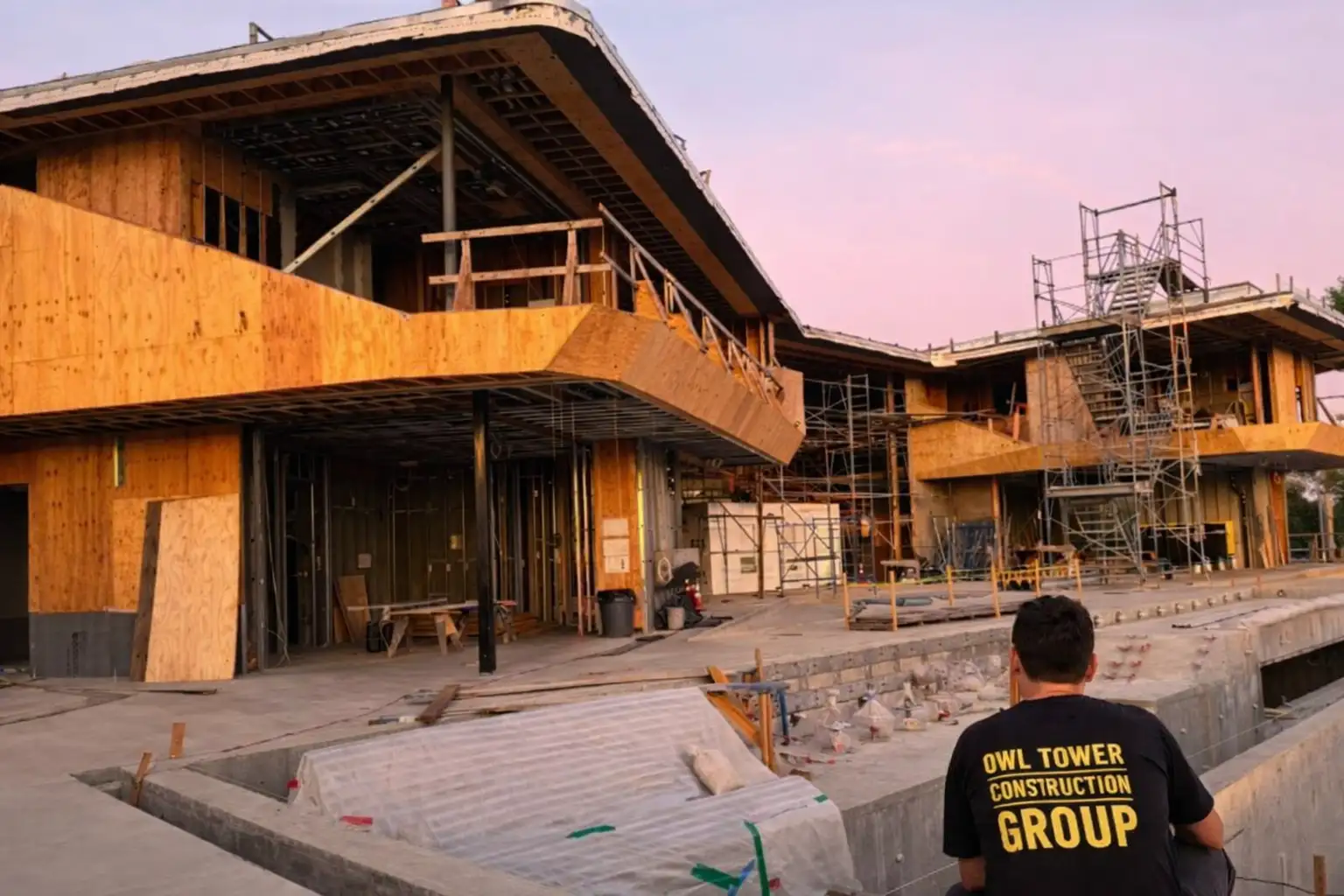
The City and licensed design professionals may require verification of framing, foundations, connections, waterproofing, wiring, piping, insulation, or fire assemblies. Selective demolition, testing, surveys, and exploratory openings should be planned safely and documented before finishes are restored.
A contractor's initial price should distinguish verified scope from allowances and concealed-condition contingencies. A fixed promise made before the approval and investigation path is known can hide substantial risk.
Close permits and update the property record
After plans and permits are approved, coordinate construction, trade inspections, corrections, testing, and final inspections. Retain stamped plans, permits, inspection cards or digital records, invoices, photographs, and final approvals with the property documents.
Only the relevant agencies can approve and close permits or recognize a lawful use. This overview is general construction information, not legal or entitlement advice, and no contractor can guarantee legalization.